
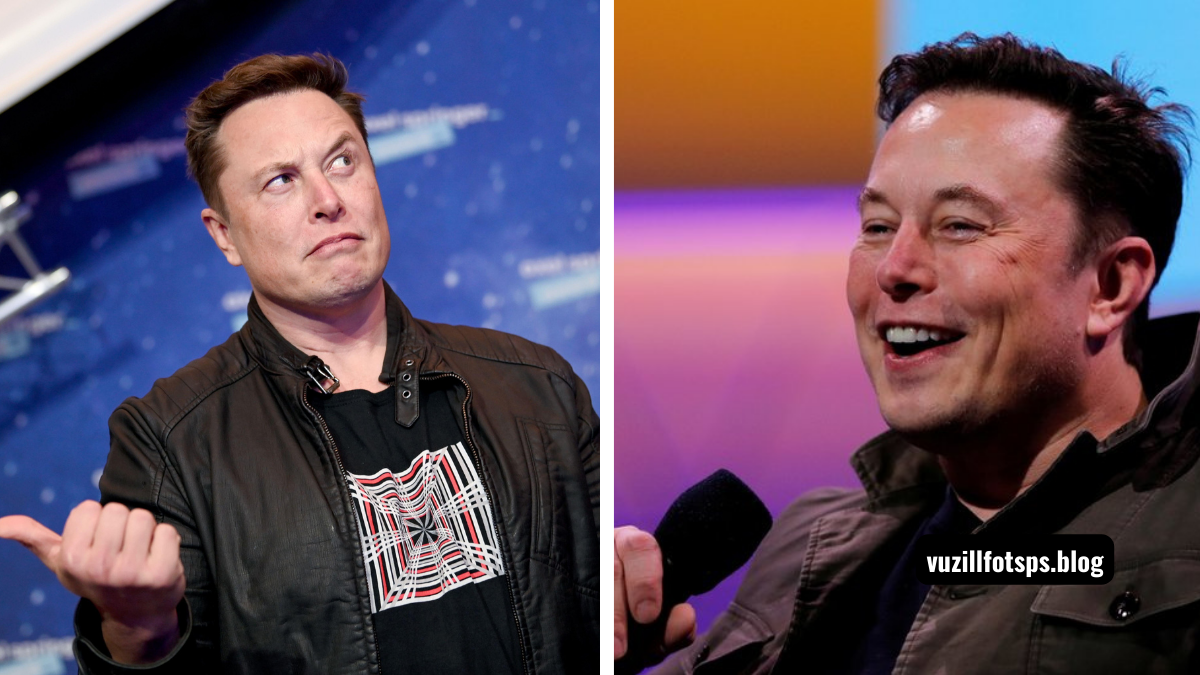
Is Elon Musk Autistic
Autism spectrum disorder is a lifelong neurodevelopmental condition that affects communication, social interaction, and behavior. In recent years, curiosity about autism in high‑profile figures has surged online — one question that often appears is “is Elon Musk autistic?” This article explores what autism is, what Elon Musk has publicly said, the science of neurodiversity, and how society talks about autism in influential people, all with accuracy and respect.
Autism can present in many ways, and no two autistic people are alike. While some individuals share traits or experiences that resemble public figures, any conversation about autism must be grounded in evidence and respect — especially when discussing real people like Elon Musk.
Understanding Autism Spectrum Disorder
Autism Spectrum Disorder (ASD) is a complex neurological and developmental condition. People with autism may experience differences in communication, social understanding, repetitive behaviors, and sensory processing.
Autism is not an illness — it’s a variation in how the brain works. Characteristics can range widely, and many autistic people value external structure and clear routines. Awareness and acceptance of autism have grown in recent years, leading to better inclusion and supports in schools, workplaces, and communities is elon musk autistic.
What Elon Musk Has Publicly Shared
Elon Musk, the entrepreneur behind Tesla, SpaceX, and other companies, has spoken on public platforms about having traits tied to autism spectrum conditions. In 2021, he mentioned that he has Asperger’s — a term once used to describe a form of autism — during a television appearance. It’s important to be precise: Musk’s own statement is the source of what is known publicly, not a clinical diagnosis shared in medical records.
When people search “is Elon Musk autistic,” they’re often trying to link a famous person with traits of neurodiversity. What matters most is acknowledging Musk’s statement and understanding the broader context of autism in society.
Autism Doesn’t Look the Same for Everyone
Autism is called a “spectrum” because traits vary so much. Some autistic people are non‑verbal and need extensive support, while others communicate fluently and have strong analytical skills.
When discussing individuals like Musk, it helps to remember that autism doesn’t dictate personality, success, or behavior. People with autism can be highly creative, deeply focused, or exceptionally analytical — and they can also have challenges in areas such as social communication.
This diversity makes it difficult to answer “is Elon Musk autistic” in a simple way — we can only refer to what Musk has publicly shared and focus on increasing understanding of autism itself.
Comparing Autism Traits and Public Perception
The table below shows common autism traits alongside how they are observed or understood in public figures. It’s not a diagnostic tool — it’s a way to separate stereotype from fact is elon musk autistic.
| Trait or Behavior | Autism Spectrum (Possible Presentation) | Public Interpretation in High‑Profile Individuals |
| Social interaction style | May prefer literal language, need clarity | Misinterpreted as aloofness or bluntness |
| Focus and interests | Deep, specific focus on certain topics | Seen as passion or expertise in career fields |
| Sensory sensitivity | Strong reaction to sound, light, texture | Not typically visible in public life |
| Communication style | Direct, structured, may avoid small talk | Mistaken for personality rather than neurotype |
A table like this helps readers separate public perception from what autism can actually involve. It’s also useful for anyone trying to learn about autism without assuming diagnosis based on behavior alone.
The Science Behind Autism Diagnoses
Autism diagnoses are made by clinical professionals using specific criteria that involve observations of behavior, development history, and communication patterns. Researchers in developmental psychology emphasize that you cannot determine autism from appearances or online speculation alone.
When readers search “is elon musk autistic,” they may be seeking context, but the science shows that only formal assessment by trained clinicians can determine a diagnosis. Public statements from individuals themselves are reliable sources when they choose to speak about their experiences.
Neurodiversity and Why It Matters
Neurodiversity refers to the idea that brains work in many different ways — and all are valid. Autistic people are part of the neurodiversity community, and acceptance means recognizing both strengths and challenges without stigma.
Discussing autism responsibly means lifting up voices of autistic people and focusing on inclusion. In technology, education, and society at large, appreciating neurodiversity can improve innovation, communication, and workplace practices.
What the Phrase “Is Elon Musk Autistic” Really Reveals
Questions like “is Elon Musk autistic” often come from curiosity about behavior, communication, and success. But it’s crucial to shift the focus from speculation to understanding autism and how traits can vary among individuals.
Rather than assuming, it’s healthier to ask: What can Musk’s public experiences teach us about neurodiversity? Many people — whether autistic or not — navigate unique strengths and social challenges. Recognizing this can lead to more empathy and better support for everyone.
“Autism is a natural variation of the human mind, and understanding it enriches how we relate to one another.”
— a leading expert in developmental psychology
This quote reinforces that autism isn’t something to be guessed about based on fame or personality — it’s part of human diversity.
Broader Context: Autism in Society
Autism awareness has grown significantly over the past few decades. Schools include autism support programs, workplaces adopt inclusive hiring practices, and media portrayals are gradually more nuanced.
Understanding autism’s real traits — communication differences, sensory processing, social interaction preferences — helps society move beyond myths. Questions about public figures highlight how much people want to understand neurodiversity, but they should always be grounded in respect for individual privacy and factual information.
Why Responsible Reporting Matters
Media and online content play a huge role in how people learn about autism. Responsible articles:
- Avoid diagnosing public figures without evidence
- Explain what autism really is
- Include perspectives from autistic individuals
- Use science‑based language
By focusing on education rather than speculation, content becomes more valuable and authoritative.
Conclusion
When people ask “is Elon Musk autistic,” they’re tapping into a broader interest in neurodiversity and how traits associated with autism show up in different people. Elon Musk has spoken publicly about having Asperger’s, which connects to autism spectrum terminology, but beyond that statement, there is no clinical information available.
More importantly, autism is a rich, varied experience that deserves accurate and empathetic discussion. Learning about autism can help us value neurodiversity, support individuals across the spectrum, and build a more inclusive society.
Frequently Asked Questions
What does autism mean?
Autism spectrum disorder refers to a range of neurodevelopmental differences in communication, behavior, and social interaction. It’s a lifelong variation in how the brain processes information.
Is Elon Musk autistic?
Elon Musk has publicly mentioned having traits associated with Asperger’s, which is related to autism spectrum conditions. However, is Elon Musk autistic cannot be answered with certainty beyond what he himself shared.
Can you tell if someone is autistic just by watching them?
No — a clinical evaluation by trained professionals is the only reliable way to determine if someone meets criteria for autism.
Why do people ask “is Elon Musk autistic” online?
People often look for explanations of behavior or communication styles in famous figures. Autism is one possible context, but questions like this show a need for better public understanding of neurodiversity.
How can we learn more about autism?
The best sources include autism advocacy organizations, clinical research, and firsthand accounts by autistic individuals, which highlight real experiences beyond speculation.